About SHPHA
SOUTHERN HIGHLANDS PROVINCIAL HEALTH AUTHORITY
Southern Highlands Province is one of the Highlands Provinces of Papua New Guinea (PNG). The Province occupies approximately 15,089 square kilometres (km2) with geographical composition of fast flowing rivers, lush and high valleys that are sandwiched between towering limestone peaks. Mt Giluwe (4367m), the second-highest mountain in PNG, sits on the Province’s north-eastern border. The limestone hills and high rainfall are ideal for the formation of caves. Some of these caves have enormous depth and length with distinct possibility of being some of the deepest limestone caves in the world. Situated in the higher altitude of the Highland and Hinterland of PNG, the climate condition in the Province is usually very cold compared to the other Highlands Provinces.
Southern Highlands is known to be unique with rich cultural heritage. The geographical features of Southern Highlands Province create natural challenges for service delivery such as higher and steep mountains with fast flowing rivers to cross without road access to where majority of the people live. Southern Highlands Province is known as one of the most resource rich Province in the PNG with natural resources such as Oil and Gas on which the PNG LNG Project is now established. Apart from the natural mineral resources, the Province has produced a number of the country’s top human resource professionals and leaders.
Provincial Health Authority administrative office and Mendi Provincial Hospital are located in the heart of Mendi Town whilst rest of the health facilities including District Hospitals are strategically located in the outlying administrative districts and Local Level Government (LLG) areas of Southern Highlands Province.
Health services in Southern Highlands Province are governed by the Southern Highlands Provincial Health Authority (SHPHA) Board. In accordance with the Provincial Health Authorities Act (2007), the SHPHA Board has a legal mandate to implement the National Government’s policy directions.
The Southern Highlands PHA Board recognizes that the new National Health Plan 2021-2030, launched by the National Government in 2021, effectively replaces the National Health Plan 2011-2020. The SHPHA Board further recognises that the GoPNG Vision 2050 plan contains the National Government's policy reforms strategies for a Healthy, Wealthy and prosperous nation that have been cascaded into the new NHP 2021-2030, which sets the foundation for the health sector. Hence, the development of the SHPHA Corporate Plan 2023-2027 is our response to implement the Government’s policy direction for improving health services to the people of Southern Highlands Province.
Districts We Serve
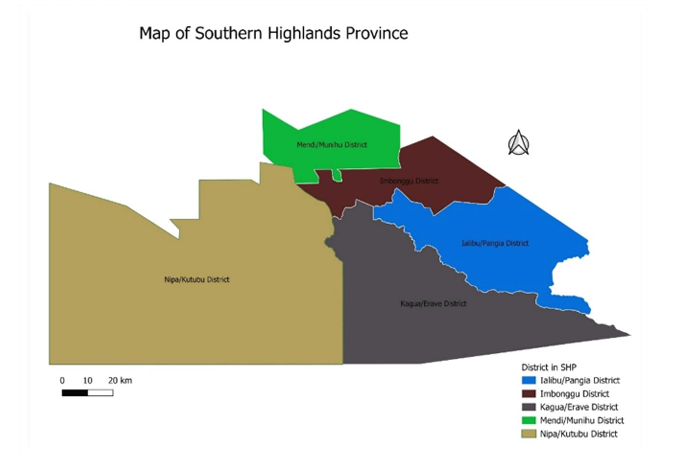
SHPHA provides health services across all 5 districts of Southern Highlands Province, including:
- Mendi-Munihu DIstrict
- Imbonggu District
- Nipa-Kutubu District
- Ialibu-Pangia District
- Kagua-Erave District
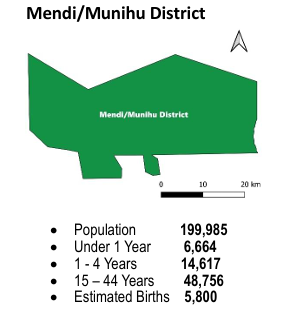
Mendi/Munihu Population
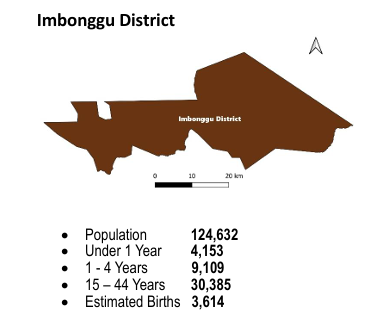
Imbonggu Popilation
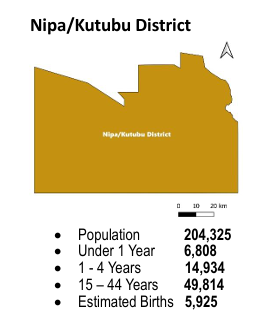
Nipa/Kutubu Population
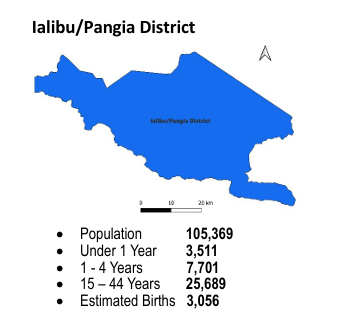
Ialibu/Pangia Population
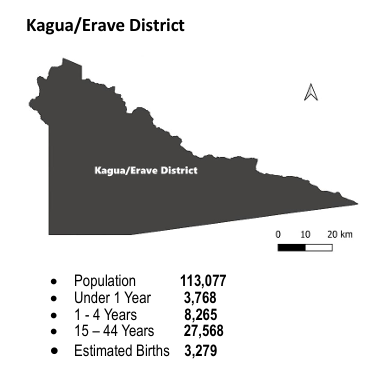
Kagua/Erave Population
Each district politically represented by the National Members of Parliament and the Provincial Governor represents the Province as a whole. The National Members of Parliament become the Chairman’s of the District Development Authorities (DDA)-the Chief Executive Officers (previously known as District Administrators) manage the governing body of the five administrative districts and each of these Districts under the DDA Act (2014). The Southern Highlands Province as a whole has total of 20 Local Level Governments (LLG) and 502 Council Wards.
The SHPHA Board considers DDAs as important partners to deliver health services from the District Service Improvement Funding (DSIP) and will strengthen and formalize this relationship with each DDAs over the term of this Corporate Plan. The SHPHA Board observes southern Highlands Provincial Government political and administrative boundaries and service delivery points. Hence, SHPHA Board and Management will be strengthening district health functions by establishing district hospital facilities in strategic locations of all five district, and improving health facilities located at each LLGs and Ward levels during the term of this Corporate Plan 2023-2027. As health is “Everybody’s Business” and to ensure equitable distribution of health services, SHPHA will be working closely with Provincial Government and DDAs as important development partners to improve health services in the Province.
Demography
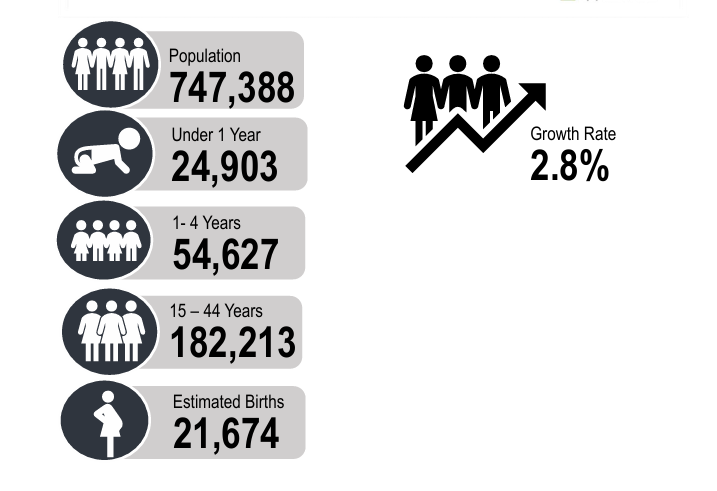
Southern Highlands Province is one of the most populous and geographically diverse provinces in Papua New Guinea. Key demographic highlights include:
- Estimated Population: Over 747,388 people (based on recent census projections)
- Area: Approximately 15,089 km²
- Provincial Capital: Mendi
- Ethnic Groups: Predominantly Melanesian, with diverse linguistic and cultural groups across the highlands
- Rural Population: Approximately 80–85% of the population live in rural and remote areas, presenting significant challenges for healthcare access and delivery
- Key Health Challenges: Malaria, tuberculosis, maternal mortality, malnutrition, and limited access to specialist care in remote communities
Brief History
Before the mid-2000s, healthcare delivery across PNG’s provinces was divided and heavily fractured. Public health and rural clinics were managed by provincial governments, while major hospitals operated independently under national management. This separation caused massive inefficiencies, communication breakdowns, and failing rural aid posts.
To fix this, the National Parliament passed the Provincial Health Authority (PHA) Act 2007, which allowed provinces to merge both rural health services and hospital care under a single, unified management board (a concept locally praised as "one system tasol").
Southern Highlands formally joined this reform as the 7th province in the country to adopt the Act. The historic partnership agreement was signed by Southern Highlands Governor William Powi and National Health Minister Michael Malabag, paving the way for the SHPHA to take full administrative control over both the Mendi General Hospital and all rural health districts.
Early Challenges and Turnaround
The transition was not easy. Historically, Southern Highlands faced severe challenges regarding health infrastructure, remote geography, and recurring tribal or political unrest.
According to national health sector performance annual reports, before and immediately following its establishment, Southern Highlands was consecutively ranked second to last (21st out of 22 provinces) in national health delivery.
The SHPHA management had to completely overhaul its governance, streamline supply chains, and build trust with church-run health facilities (which handle a massive portion of rural care in the region).
How SHPHA is Progressing Today
Today, under the leadership of Chief Executive Officer Dr. Joseph Birisi, SHPHA has achieved one of the most remarkable turnarounds in the PNG health sector.
-
-
- Top National Ranking: Despite the province's complex socio-political climate, SHPHA has clawed its way up from the bottom of the ladder to consistently maintain a top-five performance rating in the country.
- Massive Network Operations: The authority now manages over 110 health facilities across the province—including Mendi Provincial Hospital, district hospitals, health centers, and rural aid posts—employing close to 1,000 government and church-run health workers.
- Infrastructure & Decentralization: Modernization efforts have elevated Mendi General Hospital into a specialized referral hub. Crucially, the PHA is successfully decentralizing advanced care to rural populations; for instance, the Ialibu District Hospital successfully completed its first-ever major surgical operations, reducing the need for remote patients to travel long distances.
- Resilience Amid Adversity: The authority continues to battle external shocks, such as nationwide medicine shortages and a devastating town fire in Mendi, but it has maintained steady operations through robust partnerships with local small-to-medium enterprises (SMEs) and development partners.
-